Most persistent browser games are free to play and paid for by a minority of players who buy something optional. The models that last sell convenience, status, extra storage or access to an extra world. The ones players resent sell power over other players, refills of the timer that paces everyone, paid random crates, or other people’s progress. Below are the models in use, with terms taken from the games’ own pages, and what we have seen keep a small game’s server paid for.
What our index says about how browser games make money
We record a business model for every game we list. About three in five are free to play with optional purchases. About one in five showed no charges at all on the pages we could read. Fewer than one in a hundred charge before you can play properly, by subscription or a one-off price. For roughly one in six we could not pin the model down from public pages.
Age shifts the mix. Among games that have run for ten years or more, about three quarters are free with purchases. Among games still in beta, one in three charges nothing yet. Free is often where a game starts, not where it settles.
“Free with purchases” covers a wide range: a $5 donation that lifts a technical limit, a premium account, a full premium currency with boosts. The details matter more than the label.
The models, with terms from the games’ own pages
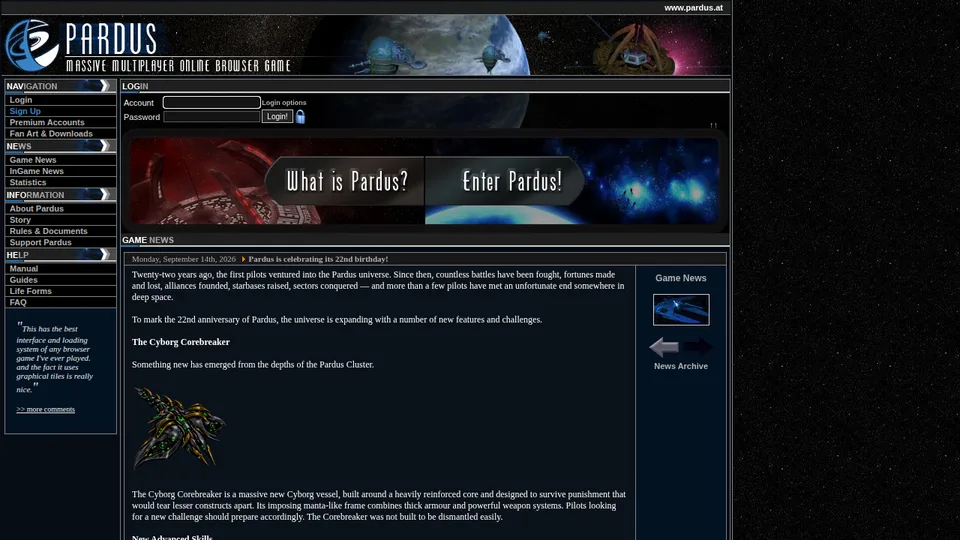
Premium accounts. Pardus is a space game from Bayer & Szell OG, the company its two developers founded in 2006. Its history page says premium accounts have been sold since 14 September 2006 and “make up the majority of the OG’s revenues”. The premium page lists 500 more storable action points, a wider space chart and a premium-only universe called Pegasus. It also says, in one line: “AP regeneration rate will not increase.”
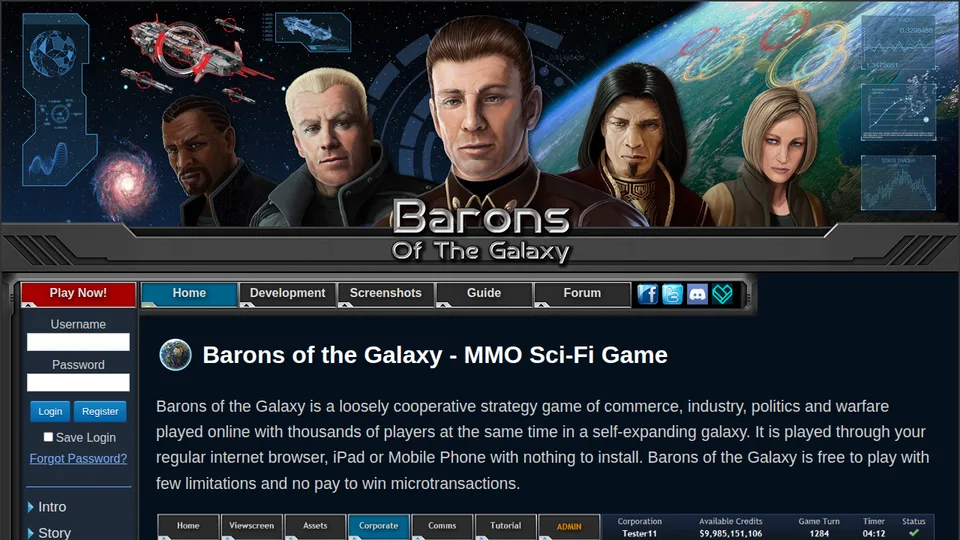
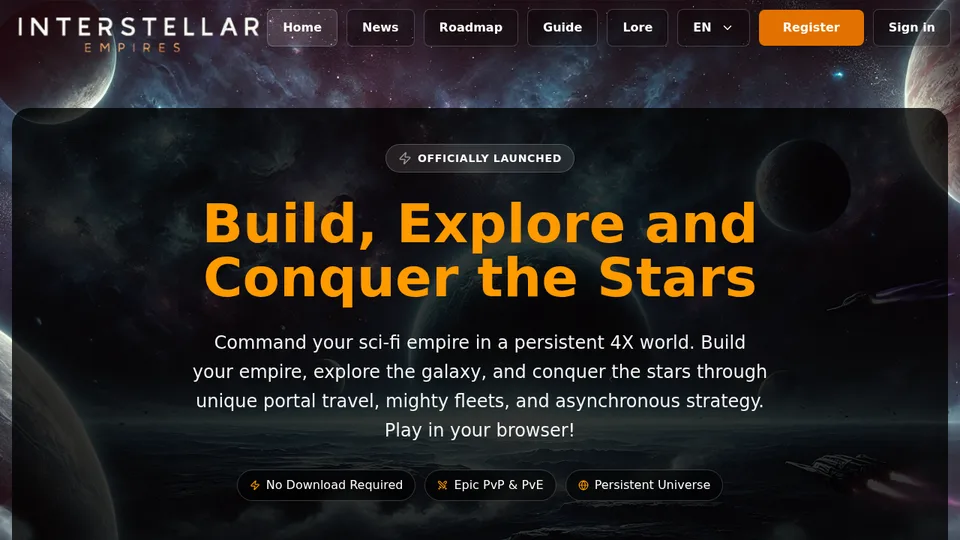
Subscriptions. Barons of the Galaxy charges $5 a month or $30 a year. Free corporations keep their headquarters on Earth and cannot be elected to rule a city or planet, and their assets are liquidated to credits after 15 days without a login. Interstellar Empires sells Commander Status at €5.99 a month or €49.99 a year, with a 24-hour trial: instant resolution of standard portal missions, a queued next build and two more march presets. Prosperous Universe sells a PRO licence whose features it describes as “geared towards mid- to late-game players”. When it lapses, the account converts to Basic.
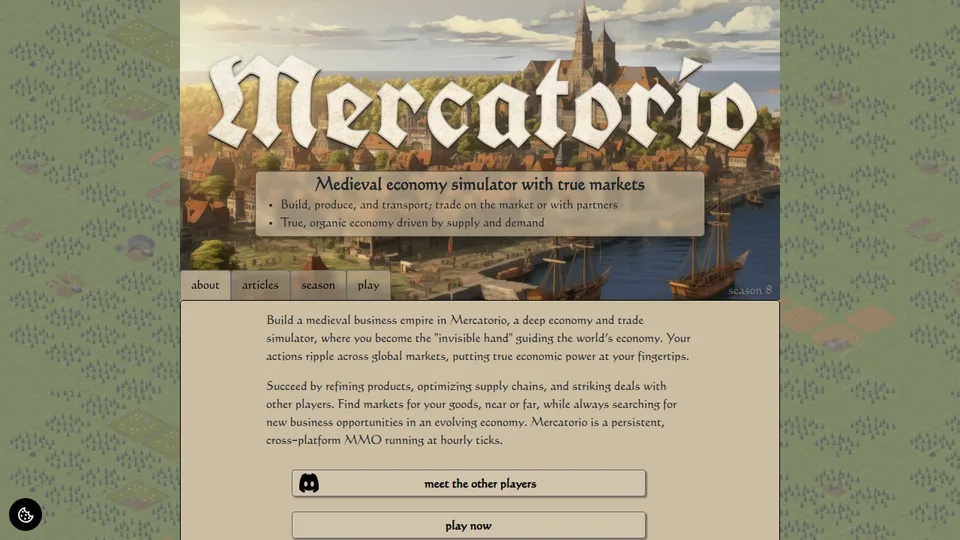
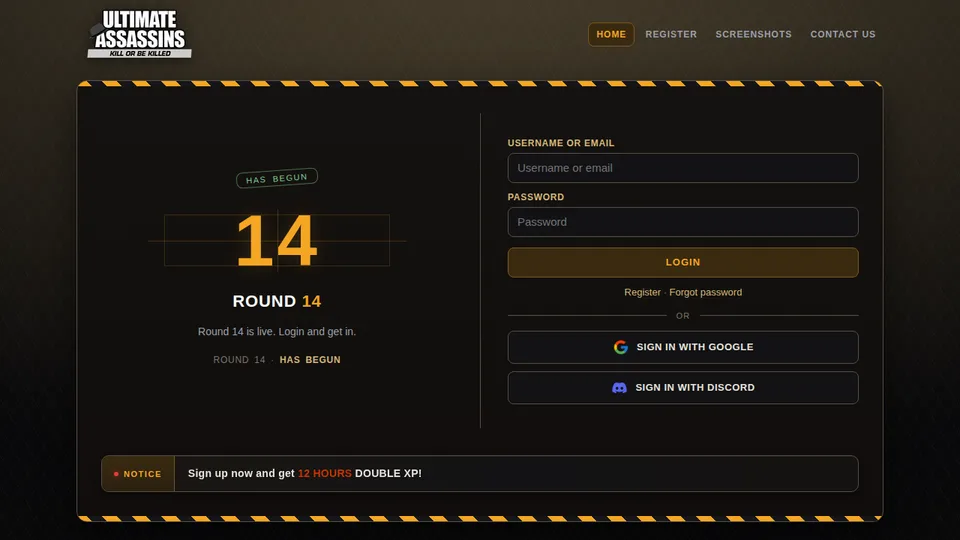
Paid seasons. Mercatorio gives new players a 48-hour free trial, then asks for a season or week pass. Its site says the cost of a season pass “will gradually get reduced” as the season goes on, so a late joiner pays for what is left. Round-based games also have to say what happens to purchases at a reset. Ultimate Assassins deletes every account between rounds, but its new-round page lets players retrieve points and VIP bought in the previous three months.
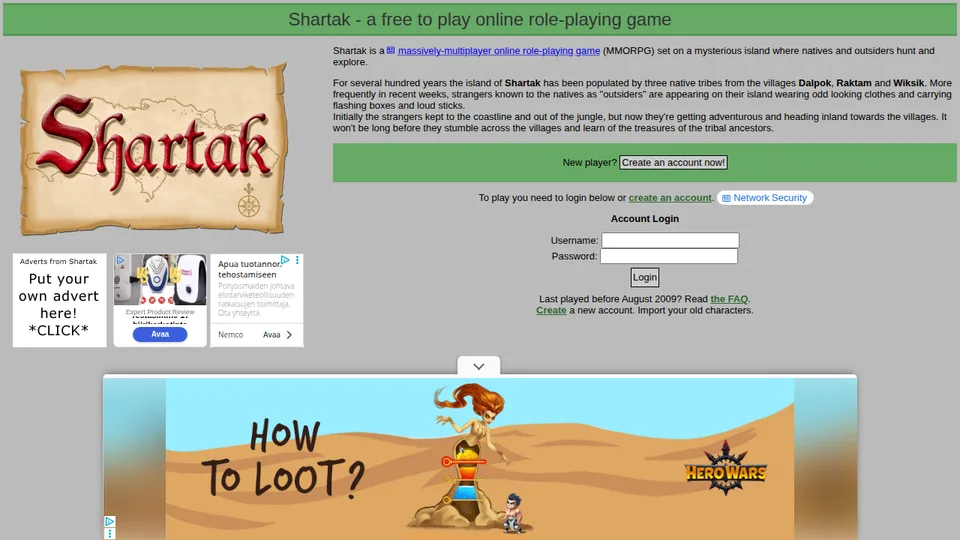
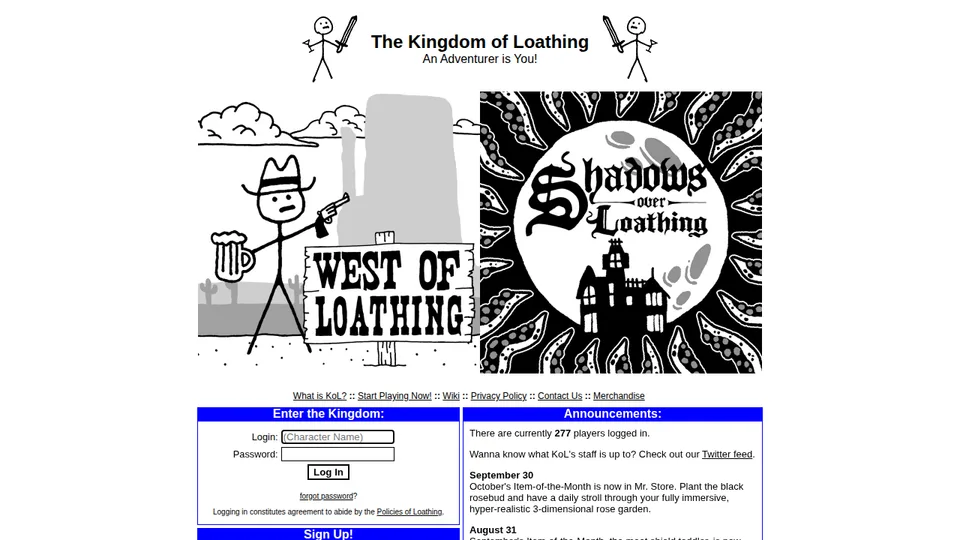
Donations with a thank-you. Shartak, a one-developer jungle game, publishes a table. $5 per character takes it off the daily IP hit limit and raises its contacts to 100; $6 adds 15 waypoints; larger amounts add votes on new features. Kingdom of Loathing gives one Mr. Accessory for every $10 donated. Those buy items in Mr. Store, which the KoL wiki dates to 2004 and which adds an Item-of-the-Month every month. Syrnia sells Premium Points and says on its donating page that the game “is, and always will be, a free-to-play game”.
Donations with nothing attached. SlimeVille’s terms say it does not “sell in-game content, currency, or advantages” and that donations bring no item or benefit. BattleMaster is “supported entirely by donations from the player community”. Aardwolf, online since 1996, is “financed by donations from players of the game and by the owner”.
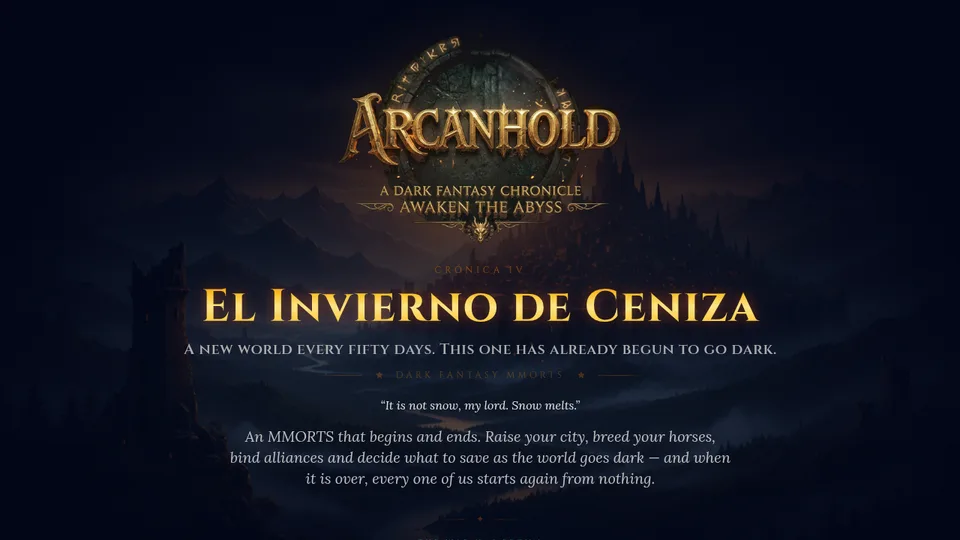
Cosmetics only. Arcanhold’s homepage: “no speedups, no resources, no troops. Cosmetics only.” Interstellar Empires sells planet skins at €2.99 and labels each one “No gameplay advantage”.
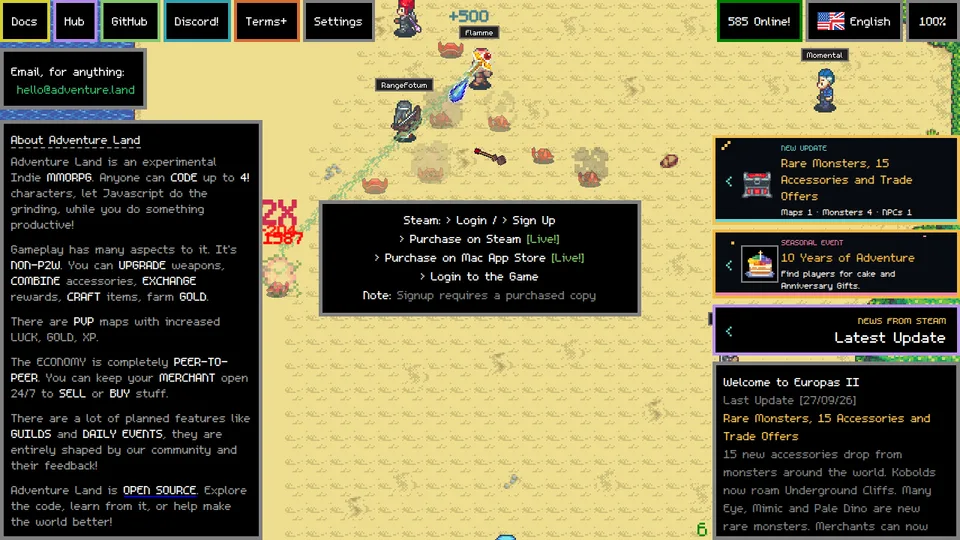
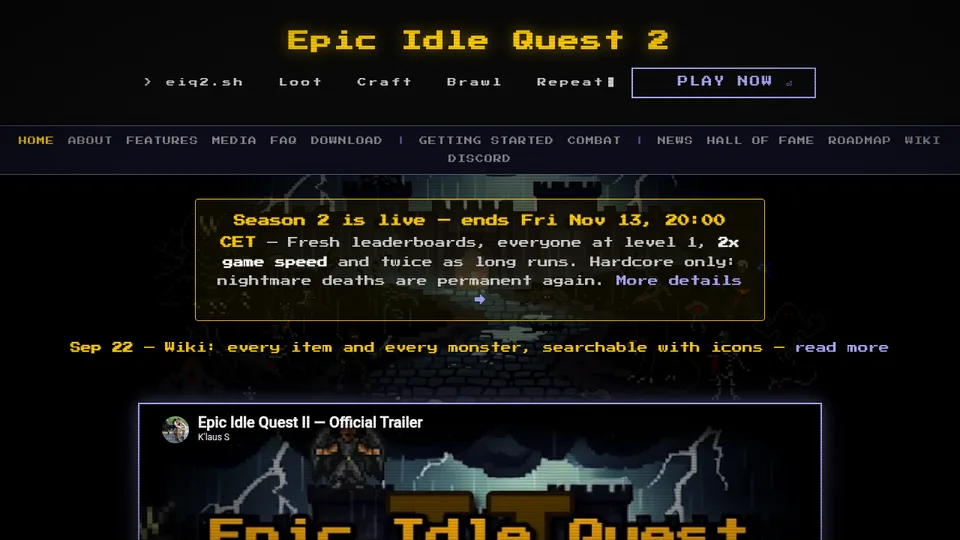
One-off purchases. Adventure Land “aims to generate revenue from digital copy sales” on Steam and the Mac App Store, and lets anyone sign up free if they are using it to learn to code. Epic Idle Quest 2 combines three things on one character: optional rewarded video ads on Android, a one-time Supporter Pack, and a one-time Steam version its FAQ prices from $2.99.
What players accept
Look at what has survived. Pardus raises how many action points you can store, not how fast they come back. A paying player can stay away longer, but cannot act more often over a week. Kingdom of Loathing’s monthly items are useful, but it is played mostly against the game itself, so one player’s purchase does not cost another player a fight. Shartak’s donations lift limits meant to stop abuse; they do not add damage.
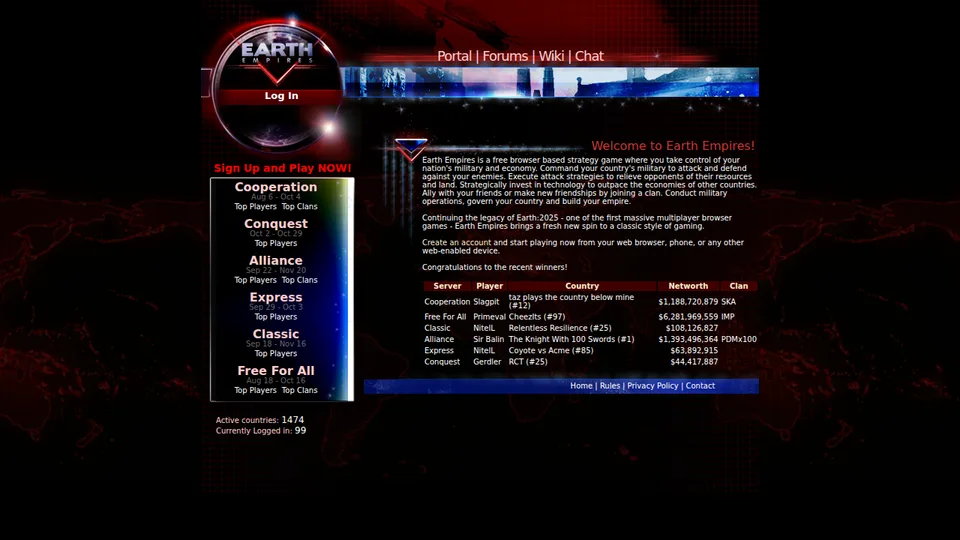
Earnable premium goes down well. In September 2025 Earth Empires began awarding up to 100 premium credits a day to countries past the halfway point of a round with a modest amount of land and few lost turns. A month of premium costs 2,400 credits, and the admin expected players active on two servers to cover it by playing. Replies under the announcement included “Well done” and “That was a cool thing to do.”
Clarity counts as much as the model. Interstellar Empires’ pricing page splits everything into two lists: what is never sold for real money (resources, units, research speed, instant finishes, in-game credits) and what is. A player can decide in a minute.
What players resent
Four patterns draw most of the anger. We describe them without naming games.
Pay-to-win power. Selling troops, resources, stats or instant finishes in a game where players attack each other. Once money moves the leaderboard, free players stop competing, and the paying players lose their opponents.
Energy refills for cash. In an energy-system game the timer paces everyone. Several games we have reviewed sell refills, or subscriptions that raise the cap and speed up regeneration. That sells the one thing the design rations. Pardus draws the line in a sentence: storage yes, regeneration no.
Loot boxes. Paid random crates turn a purchase into a draw. Some developers now advertise their absence. Idle Galaxia’s monetisation page says “There are no loot boxes or randomised paid crates”, and is just as plain about the rest: “Purchases can affect how quickly you advance relative to free play.” The second sentence is rarer than the first, and more useful to a new player.
Buying other players’ progress. This covers real-money trading of accounts and items, and systems that let one player turn their levels into goods another can buy. SlimeVille’s terms ban trading for real money “anywhere and with anyone”, on pain of banning every account involved. Adventure Land’s homepage says selling items or gold for real money is forbidden. The argument is old: the history page of MineThings 2 records players of the original game arguing about “paid acceleration” in a forum thread from October 2010.
Two smaller irritants: losing a purchase at a reset without warning, and prices you can only see after signing up. On a number of sites we reviewed, the shop or donation page redirected a logged-out visitor to the login form.
What keeps a small game paying its server bill
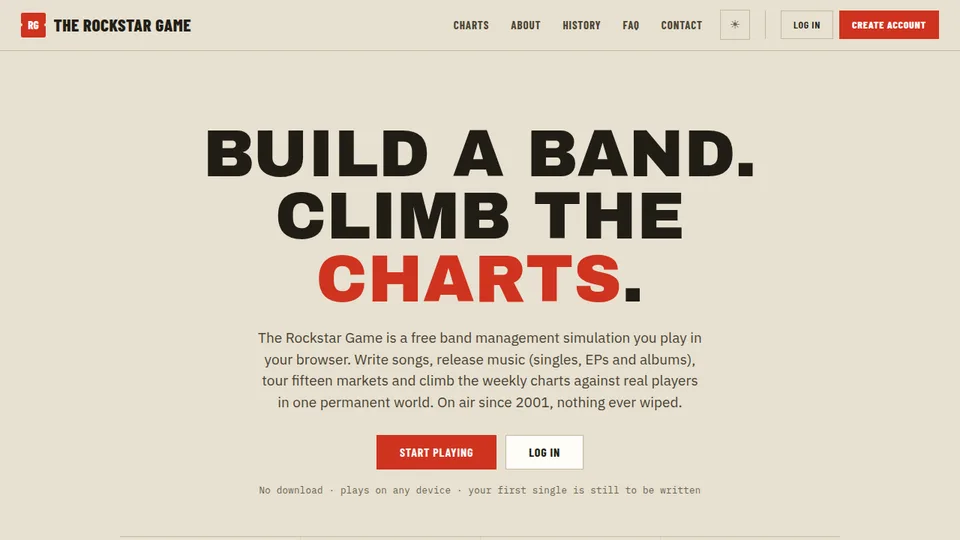
The Rockstar Game’s history page is the clearest account we have read. Hosting started at £50 a month in 2001 and multiplied sixteen times within two years. In 2003 the game went pay-to-play at £1.50 a month. In the page’s words, “Most of the players were kids without bank cards.” It was not enough, and the game stopped in mid-2003. It came back free in 2005, paid for by pop-up ads. Today it is free with a small Patreon perk, and its about page notes that “server bills in 2026 are mercifully not what they were in 2001”.
What we see working:
- A recurring tier rather than a few big spenders. Pardus has run on premium accounts for twenty years.
- Several small streams. Shartak’s FAQ calls advertising “one way that we can try to recover costs for the server and bandwidth”, with donations as another. Epic Idle Quest 2 mixes ads, a supporter pack and a paid Steam copy.
- A price page before launch. Interstellar Empires and Barons of the Galaxy publish exact prices and exactly what a free account cannot do.
- A free path to premium. Earth Empires lets active players earn the subscription, which keeps free and paying players in the same game.
- Paperwork in mind. The news archive of Urban Dead, which ran until 2025, records that an EU tax change on digital products from 1 January 2015 made it “impractical to continue offering donation rewards” to players in the EU outside the UK. Once a donation buys a perk, it can be treated as a sale. Check how your own country treats it.
Why we don’t list crypto and play-to-earn games
Our listing rules exclude games built on crypto tokens, NFTs or other real-money trading, and games that pay cash prizes. Several of the games we have turned down failed on exactly this. The reasoning is short. When an in-game item has a cash price, people who play for fun share the world with people playing for income, and the game’s health starts to follow a price chart. Cash prizes also draw bots and multi-accounting, which a small team cannot police. We do not give advice on building those games.
If your game charges in a way a player can read in a minute, submit it.